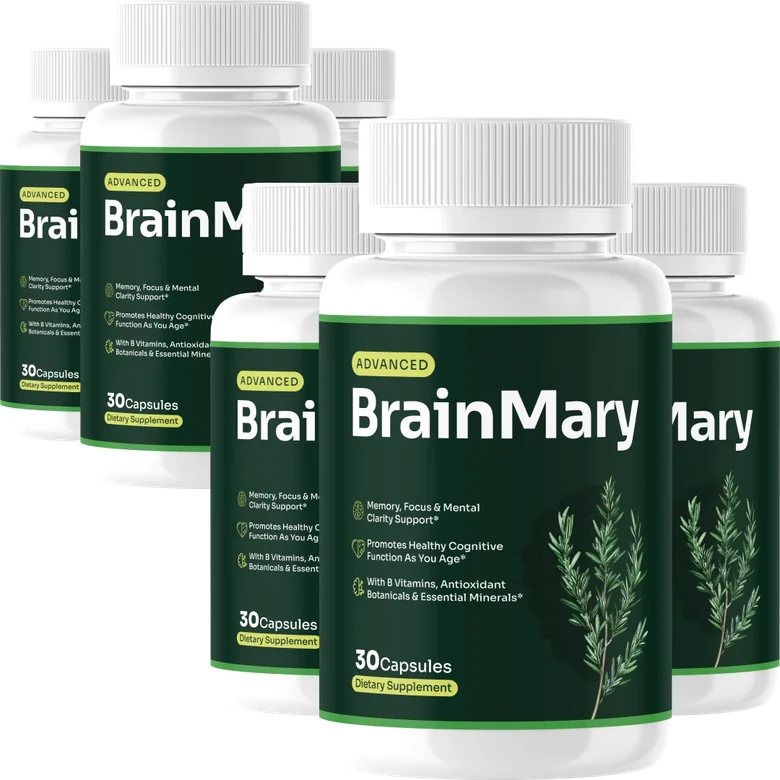
How Supplement Scam Ads Actually Work
A remarkably consistent ad-funnel pattern shows up across many supplement categories, brain boosters included, with the product name simply swapped out.
Here's how the pattern works, step by step, so you can recognize it regardless of which brand name is attached.
Step one: the fake-news wrapper
The page is styled to resemble a real news outlet or investigative report — logos, bylines, a headline format that mimics legitimate journalism. The goal isn't to inform you; it's to borrow the credibility of real news without earning it. If you can't verify the story on the actual outlet's own site, it's an advertorial, not news.
Step two: manufactured urgency and fear
A dramatic hook — often involving a frightening health condition and a vague ‘hidden cause’ doctors supposedly ignore — pulls you in emotionally before you've evaluated any actual claim. Fear and hope are both powerful, and this step exploits both.
Step three: credibility theater
A logo, a stock photo of someone in a white coat, a vague reference to ‘research’ — none of it verifiable, all of it designed to look authoritative. A logo is not an endorsement. A photo is not a credential.
Step four: fabricated endorsements
Real names — sometimes tech figures, sometimes celebrities, sometimes doctors who don't exist — get attached to the product with no genuine connection. Regulators have specifically warned about this tactic across multiple supplement categories, not just one product.
Step five: the vague secret, stalled
A ‘secret recipe’ or ‘simple trick’ is teased but never clearly given — because the actual goal is to route you to a purchase page, not to inform you.
What a page built the right way looks like
Plain identification as an affiliate guide, not news. No manufactured urgency. No unverifiable endorsements. Ingredients named immediately, not stalled behind a hook. Honest evidence ratings, not blanket enthusiasm. See our Red Flag Radar for how this specific page measures up against the pattern above.