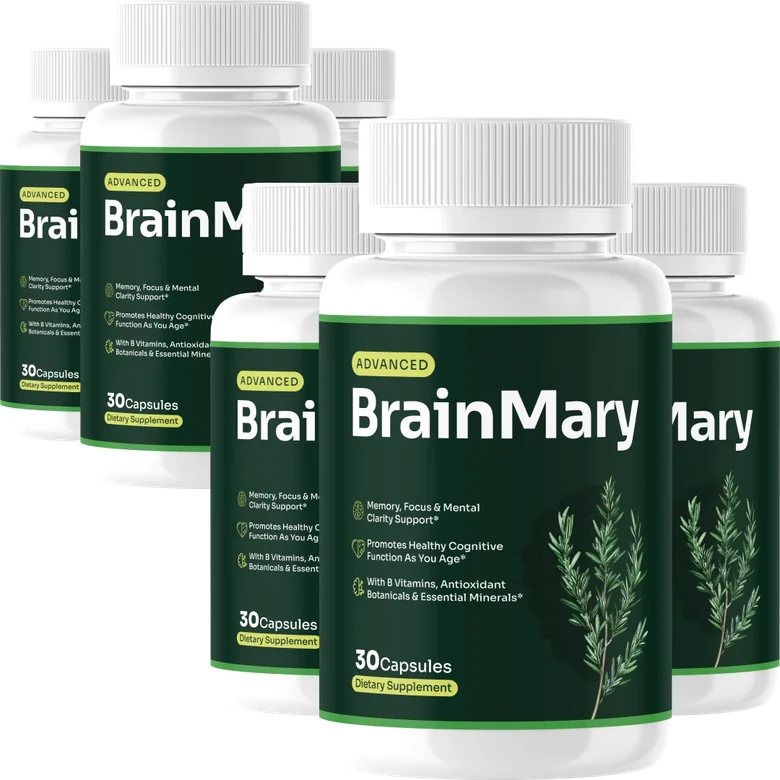
BrainMary Ingredients
BrainMary's commonly cited formula includes Bacopa, Ginkgo, Phosphatidylserine, Huperzine A, NALC and B-vitamins.
Bacopa carries the strongest evidence; Ginkgo's is genuinely mixed. Dosing isn't always fully disclosed.
Every ingredient, rated on evidence quality, not marketing enthusiasm
Bacopa monnieri
The strongest single ingredient here by evidence quality. Multiple randomized trials show memory benefit, consistently only after 8-12 weeks — not the instant effect some ads imply.
Ginkgo biloba
Popular and well-studied, but the major trials (including the large GEM dementia-prevention study) were largely disappointing. Plausible support, not proven benefit.
Phosphatidylserine
A genuine structural component of brain-cell membranes, with some supportive age-related cognition research, though high-quality trials remain limited.
Huperzine A
Real pharmacological activity affecting acetylcholine breakdown — which is exactly why medication interactions deserve attention, not casual dismissal.
N-Acetyl L-Carnitine
Shows more promise in older adults specifically than in younger healthy populations for mitochondrial energy support.
B-Complex Vitamins
Genuinely helpful where a real deficiency exists; less clearly beneficial as a mega-dose beyond adequate nutritional status.
The St. John's Wort flag
Some independent reviews note certain versions of this formula type include St. John's Wort, which interacts with a genuinely long list of medications — antidepressants, blood thinners, birth control. If your label lists it, treat a doctor conversation as mandatory, not optional.
The dosing gap
Published ingredient amounts aren't always clearly disclosed. Even well-researched ingredients only work at effective doses — without that transparency, it's hard to confirm the formula matches the studies cited to support it.