Which Nootropic Ingredients Actually Have Evidence?
The brain-supplement aisle is full of confident claims, but the strength of evidence behind individual ingredients varies enormously.
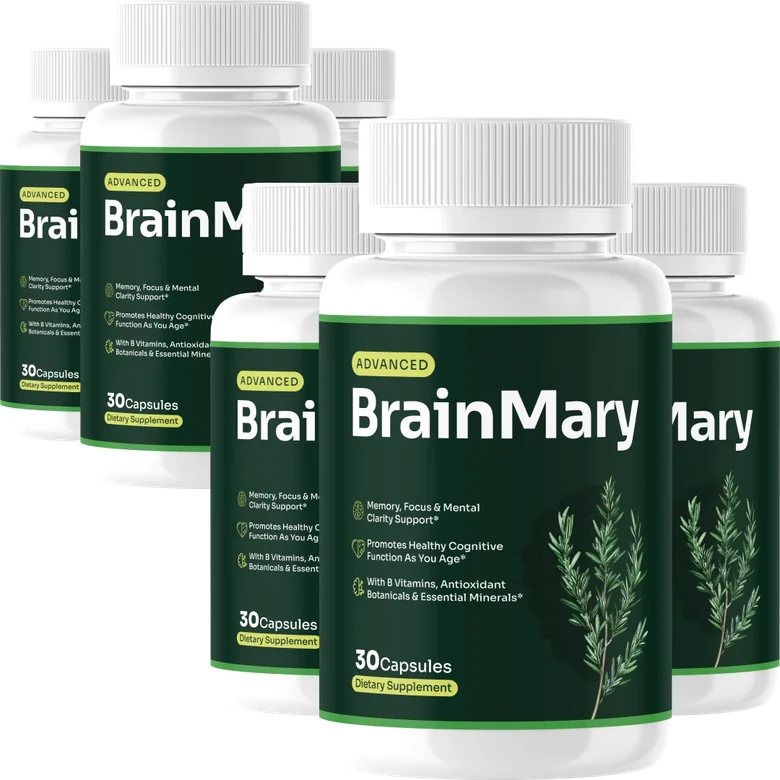
An honest tier-list of the ingredients that show up in products like BrainMary, based on what the published research actually supports.
The reasonably well-supported tier
Bacopa monnieri is probably the strongest herbal nootropic for memory specifically. Multiple randomized trials found it supports memory and learning — consistently only after 8 to 12 weeks of daily use.
Certain B-vitamins, where someone is genuinely deficient, have clear cognitive relevance; megadosing beyond adequacy doesn't add proportional benefit.
The mixed-evidence tier
Ginkgo biloba is enormously popular and well studied, yet the large trials — including the GEM study — largely failed to show it prevents cognitive decline.
Phosphatidylserine has some supportive research for age-related cognition, though high-quality trials are limited in number.
Huperzine A has real pharmacological activity, which is also a reason for care around dosing and interactions.
The it-depends tier
N-Acetyl L-Carnitine shows more promise in older adults than in healthy younger people. Context matters.
How this applies to BrainMary
BrainMary's formula draws mostly from the first two tiers — Bacopa (well-supported), plus Ginkgo, Phosphatidylserine and Huperzine A (mixed to real). A more thoughtful profile than many competitors, though the finished product still lacks its own clinical trial. See our full honest verdict.